
The Latest
News, insights, and updates from Omnia Global.
News, insights, and updates from Omnia Global.
 GOLD PARTNER
 SILVER PARTNER
04 JUN 2026Omnia Global
Managing a fragmented mix of camera systems was slowing down investigations and placing unnecessary strain on South Coast Baptist College's IT team. Discover how they simplified operations and gave time back to IT.
As South Coast Baptist College grew, a patchwork of camera systems made footage retrieval slow, manual, and difficult to manage. With Verkada, the college unified cameras and air quality sensors on a single platform, helping staff investigate incidents faster, strengthen perimeter visibility, and reduce the day-to-day burden on the IT team.
South Coast Baptist College is an independent, co-educational Christian college in Waikiki, Western Australia, serving more than 1,500 students and over 300 staff across Kindergarten to Year 12, alongside an on-site early learning centre, childcare centre, and church. As the college expanded, cameras were added over time across campus, creating a fragmented mix of systems that were difficult to manage and inefficient to use.
For Richie Rajan, Director of Information Systems and Technology, the challenge was not simply visibility. It was the amount of time and effort it took to retrieve footage at all. Staff were spending significant time locating video across different systems, then extracting, stitching, storing, and sharing it manually. In some cases, a single request could require two people and a dedicated workstation, and reliability issues with some cameras only added more friction
“We’re here to support the College, not operate as a dedicated CCTV monitoring service,” Rajan said.
The college wanted a better way forward: something more reliable, easier to manage, and simple enough for non-technical staff to use securely when they needed to act quickly.
“The value was not just better visibility. It was a system that was easier to manage and easier to scale.”
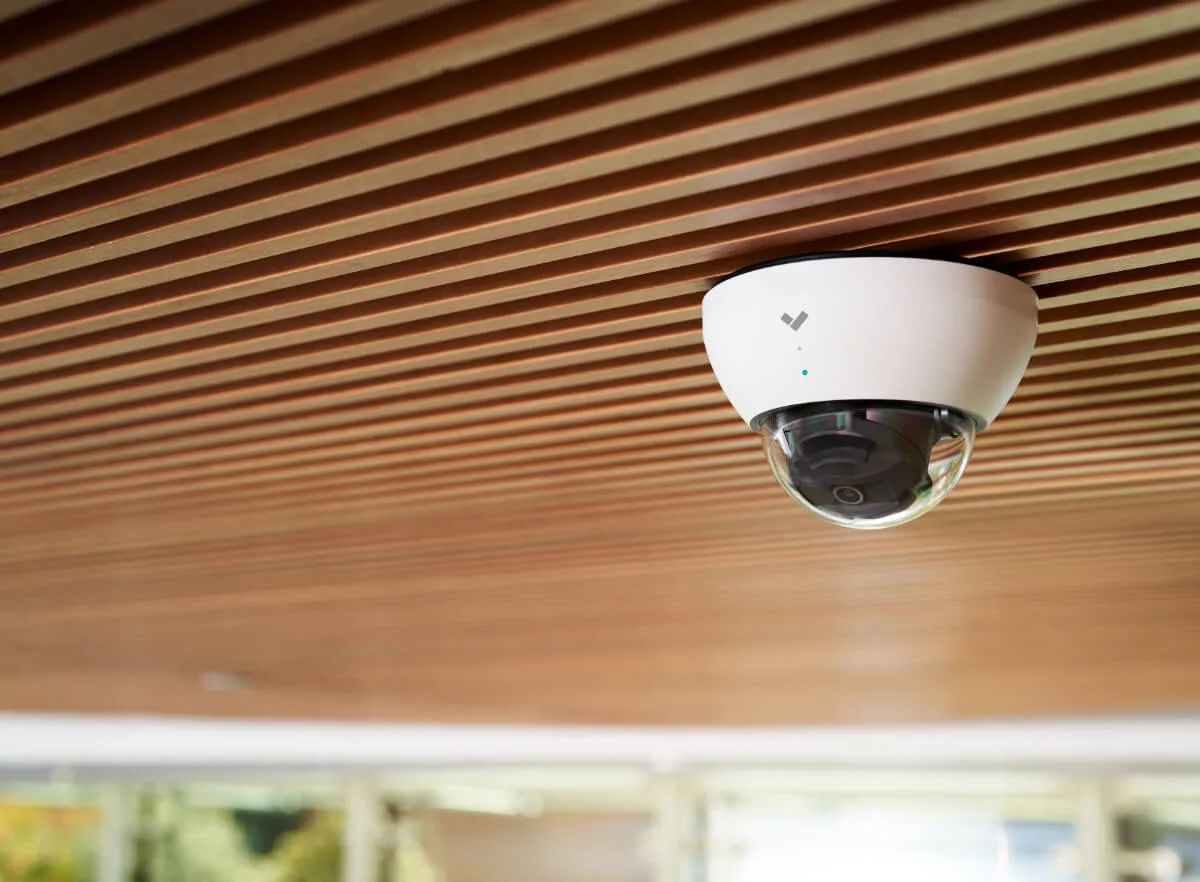
What stood out about Verkada was how much complexity it removed. As Rajan put it, “There was no requirement for on-site NVRs, which reduced cabling and network complexity,” and “no NVR meant no single point of failure for the cameras.”
Verkada also gave the college on-camera storage with defined retention, granular access control, Microsoft 365 identity and SSO integration, and data processed and located within Australia.
Just as importantly, Verkada made investigations easier. With AI-powered search across multiple cameras, staff could use natural-language queries or search using a photo, giving them a much faster way to find what they needed. For South Coast Baptist College, this was not just a hardware refresh. It was a move to a system that would be easier to manage, easier for staff to use, and easier to scale over time.
Today, the college uses a mix of Verkada dome cameras, fisheye cameras, and PTZ cameras across the perimeter, main entry points, car parks, and other high-traffic areas. The cameras are used primarily as a deterrent and to help staff quickly identify or track concerns or malicious behaviour around campus.
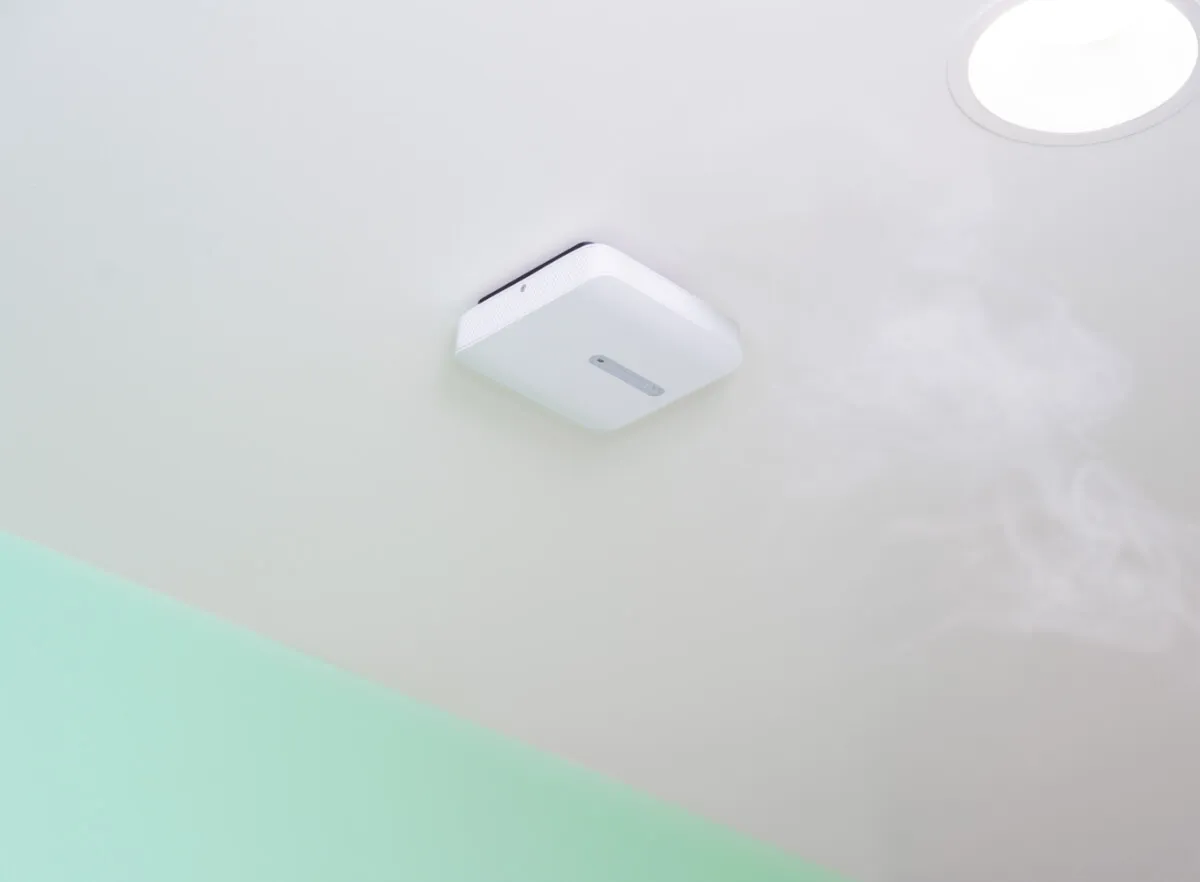
The college also uses air quality sensors in rest rooms and change rooms to monitor issues such as vaping and noise levels. That gives staff awareness in privacy-sensitive spaces, while cameras outside those areas can provide additional context when something needs attention.
The most meaningful change has been operational. With Verkada, footage requests can now be handled much faster, and staff are often able to locate what they need themselves. That has significantly reduced the number of basic requests coming into IT and allowed the IT team to refocus on higher-value work. Everything is now logged, auditable, and easier to manage from a single platform.
The difference is especially clear during investigations. What once took two people and a dedicated workstation can now often be handled directly by non-IT staff, who can securely locate and share footage across multiple cameras on their own. Instead of acting as a de facto CCTV support desk, Rajan’s team can spend more time supporting the wider needs of the college.
“By giving time back to IT, we also made it easier for non-IT staff to access footage quickly, without having to rely on IT for every request.”
Rajan said the features his team uses most include AI-powered search, Face Blur, motion detection on floor plans, People Motion Search, and alerts. Together, those tools help staff find footage faster, understand movement across campus, and respond more proactively when something unusual happens.
That has been especially useful during early mornings and late evenings, when the college occasionally sees unusual activity around campus. “Being able to receive alerts and track movement paths has helped us tighten perimeter security and respond more proactively,” Rajan said.
Verkada has also become part of the college’s internal processes. South Coast Baptist College uses Verkada’s API together with Microsoft Forms and Power Automate to automate camera access requests: staff submit a form, receive time-limited access automatically, and then have that access removed once it expires, all without manual IT involvement.
That workflow captures the broader value the college was looking for from the start: not just better security, but less administrative overhead and tighter control over who can access what.
“What once required two people and a dedicated workstation can now often be handled directly by staff.”
Rajan also credited Omnia Global with helping make the transition straightforward. “Our experience with Omnia Global has been very positive,” he said. “Communication and response times were prompt.”
He also noted that Omnia was quick to organise trial units, kept the quoting process transparent, worked with the college on suitable leasing options, and kept the team informed throughout the rollout.
For South Coast Baptist College, the decision came down to more than upfront cost. “The upfront cost and subscription model required careful consideration for us,” Rajan said. “However, when we looked at the total cost over five to ten years on a lease and factored in the time savings and operational efficiencies, it made sense.”
He also noted that Verkada is easy to get new staff up to speed on, which is especially valuable during staff turnover. Looking ahead, the college is exploring ways to bring its remaining cameras into the Verkada ecosystem so more of the environment can be managed from a single platform without replacing existing hardware all at once. As the campus continues to grow, that flexibility will help the college keep security simple, scalable, and easier for staff to manage.